8 Steps to a More Organised Office

A cluttered office can quickly lead to stress, distraction, and reduced productivity — especially during busy periods like EOFY. The good news? Creating a more organised workspace doesn’t have to be overwhelming. Small changes can make a huge difference to how your office looks, feels, and functions.

Whether you work from home or in a busy office environment, these eight simple strategies can help you create a calmer, more efficient workspace.
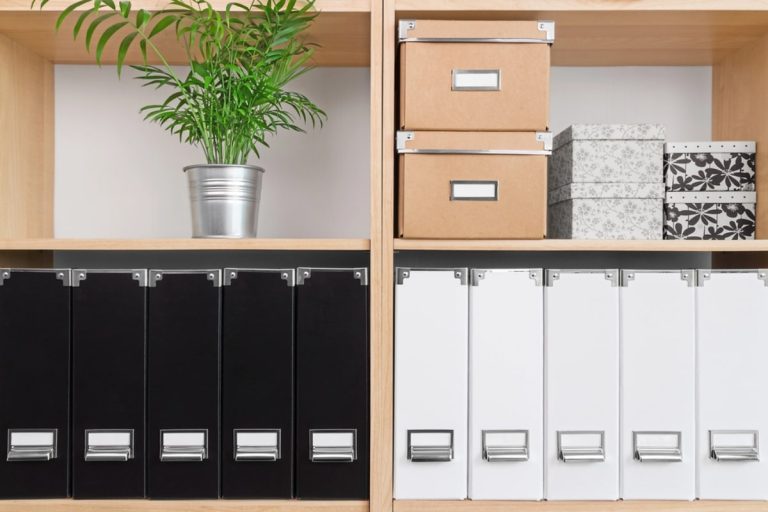
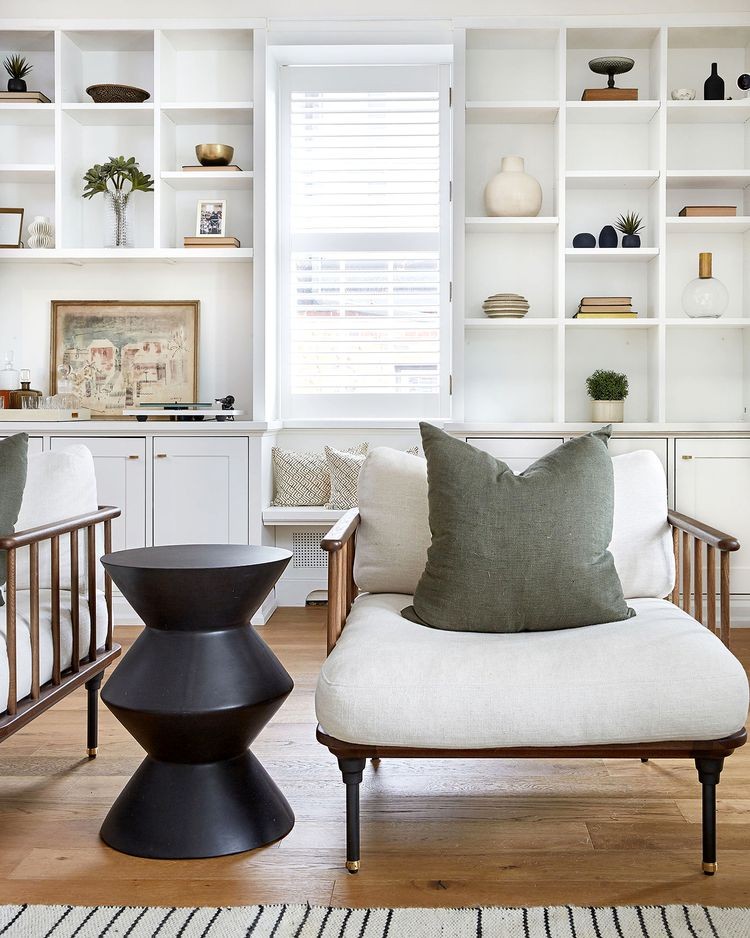
1. Use Wall Space with Shelves and Organisers

When desk space is limited, think vertically. Shelves, wall-mounted organisers, and hanging file systems can free up valuable work surfaces while keeping important items within easy reach.

Using wall space effectively allows you to store documents, reference materials, and supplies without creating visual clutter. The less crowded your desk is, the easier it becomes to focus on the task at hand.

2. Keep Small Items Tidy Using Trays or Containers

Paper clips, pens, sticky notes, chargers, and other small office supplies have a way of multiplying and spreading across every available surface.

Using trays, drawer dividers, or small containers helps group similar items together so they’re easy to find when you need them. It also makes tidying up quicker and prevents small items from becoming a big source of clutter.

3. Use Storage Boxes to Reduce Drawer Clutter

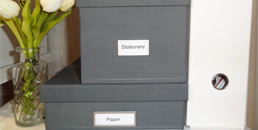
Not everything needs to live in your desk drawers. Decorative boxes or labelled storage containers are perfect for holding supplies you don’t use every day.

Items such as spare stationery, archived paperwork, technology accessories, and seasonal materials can all be stored neatly out of sight. This keeps your immediate workspace functional while ensuring important items remain accessible.

4. Set Up Labelled Inboxes for Sorting Documents

Paperwork can easily become overwhelming if it doesn’t have a designated place to go. Creating clearly labelled inboxes or trays can simplify the decision-making process and stop piles from forming.

Categories such as “To Action”, “To File”, “Waiting For”, or “This Week” help you process documents more efficiently and ensure important tasks don’t slip through the cracks.

This is particularly useful during EOFY when invoices, receipts, and financial records tend to accumulate.

5. Leave Some Empty Space for New Projects

It can be tempting to fill every shelf, drawer, and storage container to capacity. However, leaving a little empty space provides flexibility.

An empty drawer, shelf, or magazine holder gives you somewhere to temporarily house new projects or incoming paperwork without creating chaos elsewhere in your office.

A little breathing room goes a long way in maintaining organisation.

6. Have One “Catch-All” Spot for Temporary Items

Life gets busy, and sometimes there simply isn’t time to immediately put everything away.

Having one designated basket, tray, or container for temporary items provides a safe place for things that need attention later. The important part is limiting yourself to just one catch-all spot and reviewing it regularly.

Without boundaries, those temporary piles can quickly take over an entire workspace.

7. Spend Five Minutes Resetting Your Desk Daily

One of the simplest habits you can adopt is a daily desk reset.

At the end of each workday, spend five minutes filing paperwork, returning supplies to their homes, clearing rubbish, and preparing for the next day.

Starting each morning with a clean, organised workspace helps reduce stress and increases productivity. It also prevents clutter from building up over time.

8. Keep It Simple — Less Clutter Means Less Stress

Organisation isn’t about having endless storage containers or colour-coded systems. Often, the simplest solutions are the most effective.

Regularly assess what you truly use and need in your office. If something no longer serves a purpose, consider recycling, donating, or disposing of it responsibly.

The fewer unnecessary items you have competing for your attention, the easier it becomes to maintain an organised and functional workspace.

Ready to Tackle Your Office Organisation?

EOFY is the perfect opportunity to refresh your workspace and put systems in place that support you year-round.

At The Lifestylers Group, we help individuals and businesses declutter, organise, and create practical solutions tailored to their unique needs. Whether you need help sorting paperwork, setting up systems, or transforming an overwhelming office into a productive space, we’re here to help.

Because an organised office doesn’t just look better — it helps you work better, too.

The 80 / 20 Rule

Have you heard of the 80/20 rule?

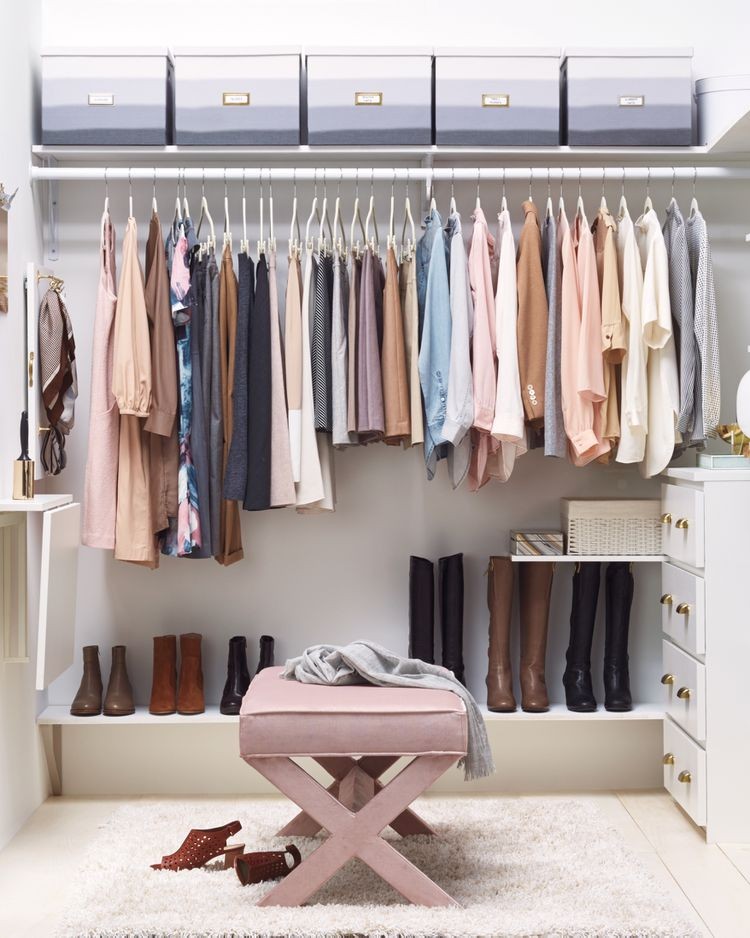
Did you know most of us only wear around 20% of our wardrobe 80% of the time?

If certain clothes have been sitting untouched for months, it could be time to clear some space.

A decluttered wardrobe means less stress, more room and getting dressed becomes so much easier each day.

You should keep the pieces you love, wear often and feel good in but sometimes it is hard to let go or to know what to let go of.  So we have put together a list of questions you can ask yourself when you are decluttering your wardrobe.

A tidy wardrobe doesn’t just create more space — it can also bring clarity, calm and make getting dressed so much easier each day. Think of it as creating your own personal boutique filled only with pieces you truly love and wear.

When deciding what to keep or let go, ask yourself:

✨ Have I worn this in the last 6 months?

✨ Would I be excited to wear this tomorrow?

✨ Does this suit the stage of life I’m in now?

✨ Am I keeping this for a “someday” version of myself?

✨ Should this simply be packed away for next season?

✨ Is it too worn out to comfortably wear anymore?

✨ Do I feel confident and comfortable in it?

✨ If I saw this in a shop today, would I buy it again?

✨ Realistically… will I ever wear this again?

Decluttering becomes much easier when you focus on keeping what truly serves you.

Downsize your life with these 9 tips

Downsizing has a funny way of sneaking up on you. One day you’re stepping over toys in a busy family home, and the next you’re staring at a cupboard thinking, “Why do I own 17 coffee mugs… and do I even like half of them?”

For some, downsizing means selling the family home once the kids have flown the nest. For others, it’s merging two households (and discovering your partner also owns 17 mugs). And sometimes, it’s simply the realisation that your space — and your head — could feel a whole lot lighter with less “stuff” in it.

While the idea of simplifying can feel incredibly freeing, the reality is often a mix of excitement, nostalgia, and the occasional “but what if I need this one day?” moment. Whether you’re moving to a smaller home, combining lives, or just craving a clutter-free reset, the process is as much emotional as it is practical.

The good news? Letting go doesn’t have to feel overwhelming — and it certainly doesn’t have to mean sacrificing the things that truly matter. With the right approach (and maybe a little sense of humour), downsizing can open the door to a simpler, more flexible way of living.

So, wherever you are on your journey, here are 9 practical tips to help you lighten the load and make space for what’s next.

1. Set a clear deadline: Discarding your possessions is difficult but don’t drag out the process because the longer it takes, the harder it will become.

2. Stay organised (one room at a time): When downsizing, it is a great idea to sort through your possessions either by category or room. You can choose to reduce the number of books, go through the utensil drawer in the kitchen, or move from room to room. But do not move to the next category or room until you have finished the current one or you’ll get overwhelmed.

3. Keep only what you love: There is no value in hanging onto possessions that mean little to you. If you don’t love it, don’t keep it.

4. Sort items to sell, gift, or donate: You don’t need to throw everything away. You can sell many items, offer others to family and friends, or donate them to charity. So, make piles as you go to indicate the possible destination for each item.

5. Skip the “maybe” pile, be decisive: A successful throw-out means you can’t take prisoners. So, don’t have a “maybe” pile. We’re at the pointy end here – it’s “in” or it’s “out”. This is especially true when it comes to your wardrobe.

6. Involve family (with a cut-off date!): Make sure your family has the opportunity to use anything that you wish to throw out. Furniture is expensive and perhaps someone can make use of your couch or a couple of wing-back chairs that no longer have room in your life. (But don’t be offended if they don’t)

7. Start small, then tackle the tougher stuff: It’s a good idea to do a few simple tasks first. For example, go through the linen closet and throw out old towels and sheets. Practice on the easy items before moving to the tough stuff.

8. Be ruthless with clothes & duplicates: Clothes are one of the hardest categories to purge. Think about what you can mix and match and keep timeless pieces. Anything that you haven’t worn for at least six months should be expendable.

9. Capture memories with photos instead of clutter: There is no harm in taking photos of some of the more treasured items you throw out, in case you have regrets later.

The Drop Zone

Tame the Chaos: 9 Drop Zone Tips from Our Team

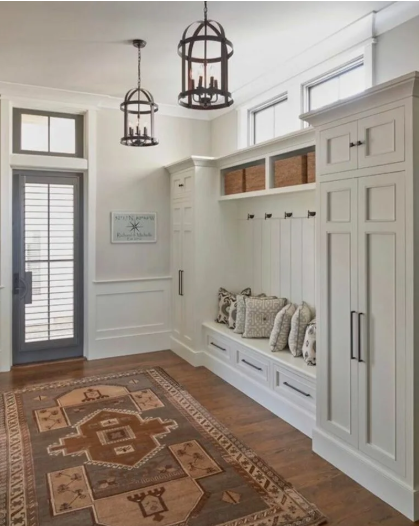
The drop zone – it’s arguably one of the most-used (and most-abused) spaces in the home. Located near your most common entrance, it catches everything from shoes and school bags to mystery crumbs and 14 unmatched socks. There’s never been a better time to take back control.

We asked our team of decluttering pros to spill their secrets. Here’s what they shared:

1. Location, location, location
Your drop zone should be near the door you use the most – garage, front or back. Don’t overthink it. If your kids barge in like a cyclone through the garage every day, that’s where the drop zone goes.

2. Contain the clutter
Use baskets, trays or tubs for each person. Bonus points for labelling them – and no, “stuff” is not a valid label.

3. Go vertical
Install hooks for bags, hats and coats. Wall space is often wasted real estate – give it a job and make it earn its keep.

4. A seat is not a luxury
A bench gives you somewhere to perch while wrestling on shoes. It also doubles as extra storage if it opens or has baskets underneath. Genius.

5. Corral the shoes
Use a shoe rack, tray or cubbies. Unless you love tripping over sneakers at 7am, this one’s essential.

6. Set up a charging station
Corral cords and chargers in one spot so no one “forgets” their phone again. Tech tidy = less morning chaos.

7. Use a family calendar or whiteboard
Keep schedules and notes here. Think of it as your family’s mission control. (Also one less excuse for forgetting school photo day.)

8. Keep it kid-friendly
Hooks at kid height, low baskets and a visual routine chart can help the little ones to use the space independently.

9. Regularly reset
Once a week, do a quick tidy up. Put rogue items back where they belong (no, the umbrella does not live on the floor).


4 Ways to Store Winter Items

With the start of a new season, it’s the perfect time for a mini declutter. Get your winter wardrobe neat and organised with these smart storage solutions.

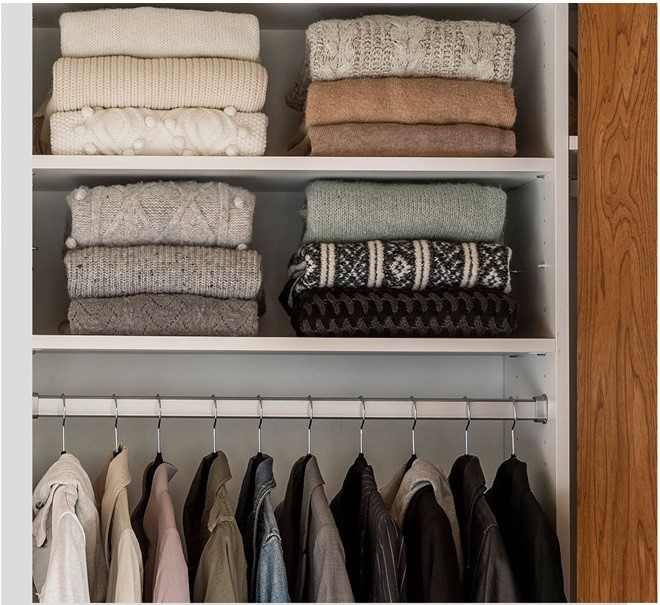
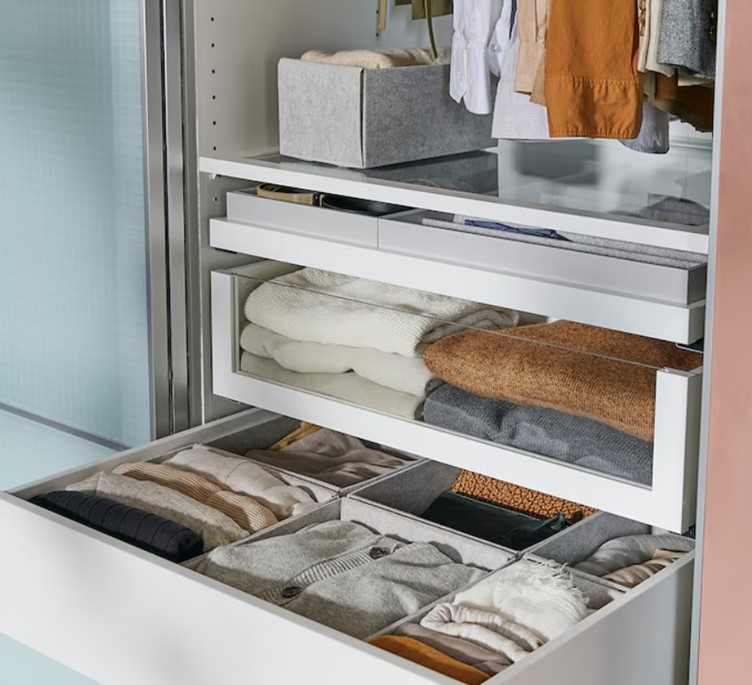
1) Fold bulky jumpers instead of hanging them to prevent stretching. Fold in short even stacks to prevent them from falling over.

2) Use drawer dividers or containers to keep jumpers grouped neatly. Felt ones are great as your woollen clothes won’t catch on them.

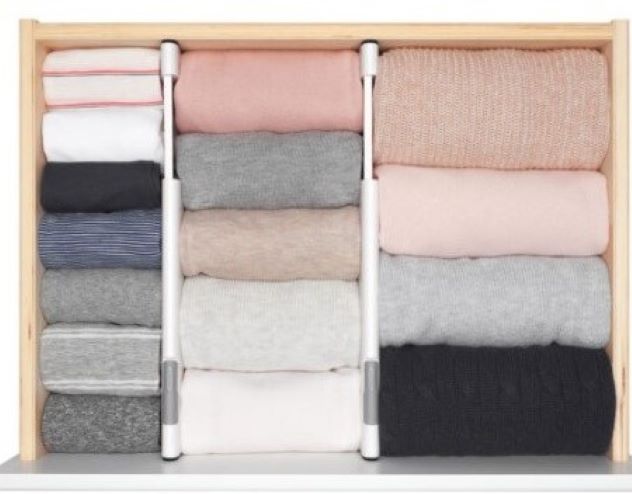
3) Adjustable draw dividers is another way to help keep bulky items organised.

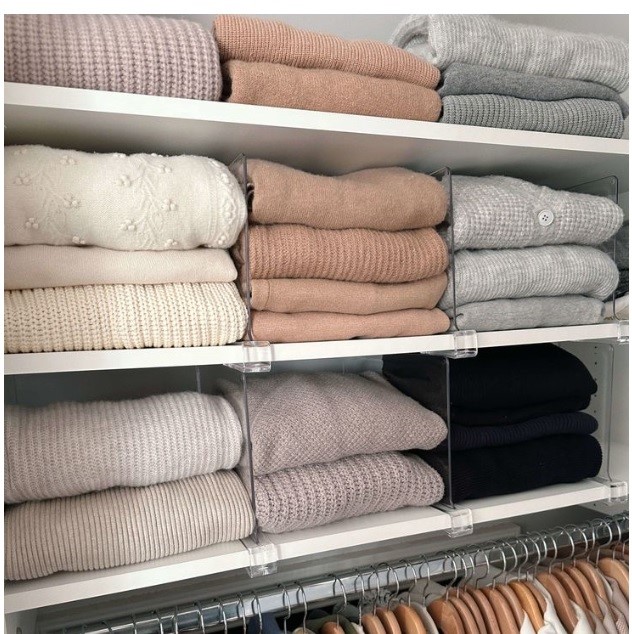
4) Use acrylic dividers. These clip onto your shelves and are the perfect solution to keep items grouped and stacked upright.