by Natalie Morey | Feb 23, 2023 | Declutter tips, Home Organisation, Kids Organising, Pantry Declutter, Pantry organization, School Routine
The holidays are done. School is back and the routine has started. Is anyone else struggling to get back into routine? I think we have come out of COVID lockdowns, then packed everything into last year. Then, when we finally stopped for Christmas holidays, we really stopped. And, it has been extra hard trying to get back into the school routine (even after a few weeks)ol. So, if you are like me and have found it hard getting back into routine here is 8 tips to get you back into routine.
Sunday Session
My preparation for the week starts on a Sunday. Each Sunday I spend a few minutes planning out my week. I have a weekly planner that I put on the fridge, so everyone knows what’s happening and when. All the kid’s activities and classes are listed along with anything else happening for the week. I also list down what we are having for dinner every night. Spending a few minutes on a Sunday always ensures a more organised week. And I know when I don’t do my planning on a Sunday, I inevitably miss something during the week.
Organise your Schedule
In addition to a more detailed weekly planner you should also have a 12 month planner as well. If you haven’t previously done one, it’s not too late to find a planner that suits you. You may prefer a paper planner, a shared online calendar or an app for your phone or tablet. Whichever you choose, start off right by entering times and commitments you already know about.
Pack for Weekly Activities
As mentioned above I list all the kid’s’ activities on my weekly planner. I then ensure all their uniforms are ironed and together on a Sunday. (For my son’s basketball gear, I use one of those combination coat hanger with clips, so his basketball shorts are already on the hanger with his top – so, there’s no last minute panic to find the right shorts).
For the swimming bag, the towels and bathers are put straight back in there after they have been washed. As our swimming lessons are at 5pm I also pack their change of clothes (PJ’s given the time) in the bag as well. That way, I’m not running around madly on swimming night trying to find their gear.
Prepack
Put all the items you’ll need out the night before. This goes for the kids stuff too. School bags are packed, shoes are cleaned and out and their hat is in their bag. Oh, and don’t forget their socks too. This helps avoid that last minute rush too.
Lunch Prep
Start prepping lunch boxes the night before, by packing any fruit and snacks. I generally like to make sandwiches fresh in the morning though, but if everything else is done, then it saves me time. Don’t forget to fill the kids water bottles and pop in the fridge the night before too.
After School Snacks
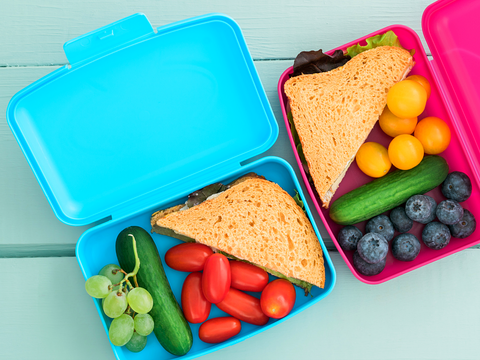
Organise School Lunch Boxes
If the kids are going straight to sport activities after school, pack those snacks separately so you can take them with you when you pick up the kids.
Double Batch your Cooking
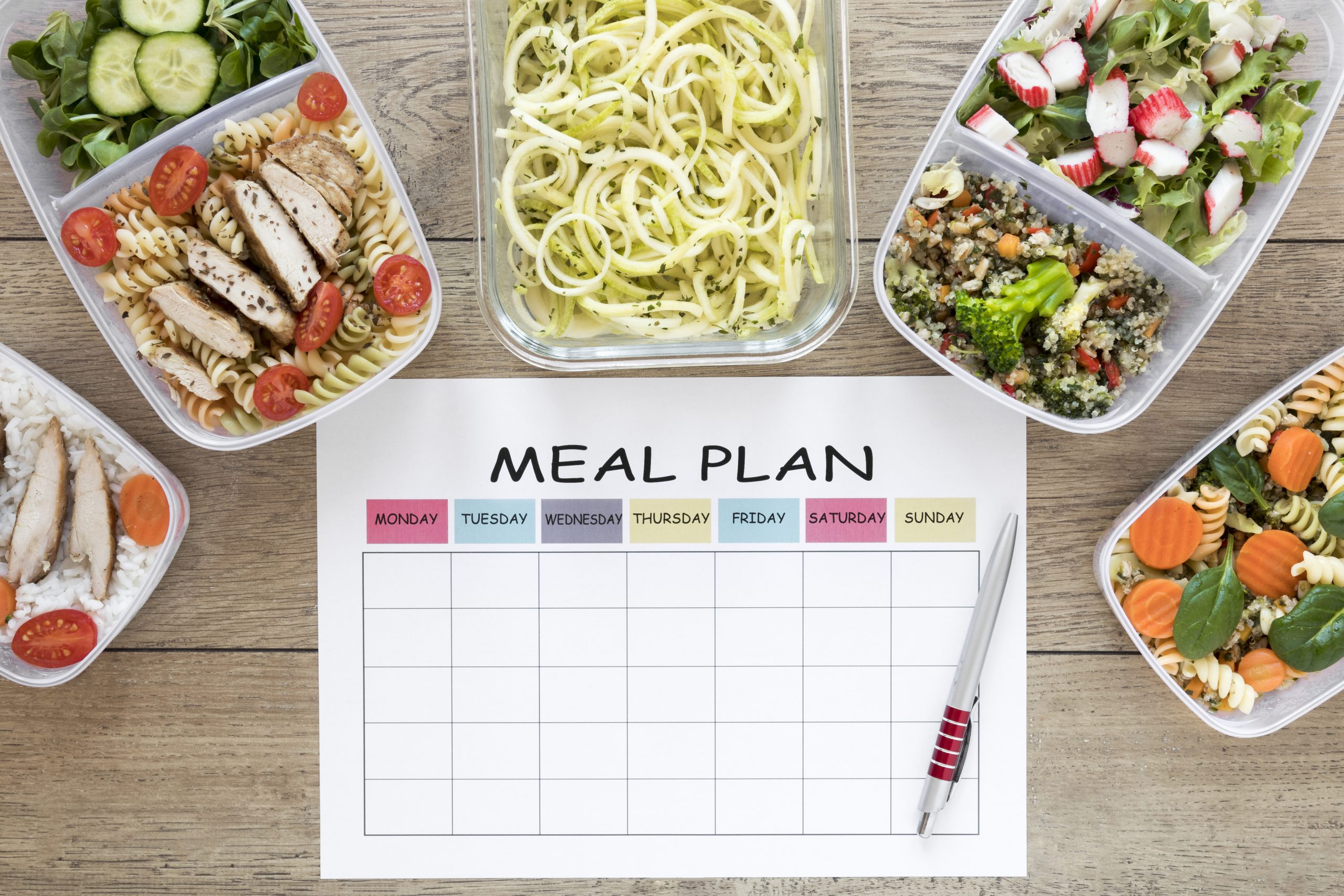
I love having a few pre-prepared meals in the freeze. This is perfect for those busy weeks. So, when I cook something like lasagne I do a double batch, eating one that night for dinner and freezing the other. Last week I starting doing “triple batches” so I have a nice stock pile of Meatballs and Lasagna. Highly recommend. Need a meal planner checklist. Check out this one. Need more inspiration on meal planning, then click here.
Get Up 10 Minutes Early
8 Tips To Get You Back Into The School Routine
Of the 8 tips to get you back into the school routine I think getting up 10 minutes early can make a massive difference. Even if it just gives you time to have a coffee in peace, or double check that everything is organise before the kids get up, it can make a big difference.
I hope these 8 tips to get you back into the school routine help.
by Natalie Morey | Jul 27, 2021 | Declutter tips, Home Office, Home Organisation, Office Organising, Tips
I use these 10 tips for coping during lockdown every single day. They work and help me keep on track of what is a crazy time at the moment.
Make friends with your slow cooker
I’m a bit of a slow cooker connoisseur. I prep my veggies, and get them all cut up and meat ready the night before. Then, in the morning all I need to do is pop them in the slow cooker. After a challenging day of home schooling and wrangling kids and trying to juggle work (and stay sane) I don’t have to think about dinner as it’s done.
10 Tips For Coping During Lockdown – Image Ref: ablissfulnest.com
Batch cooking
If you’re making Spaghetti Bolognese, make a double quantity and freeze the other batch. This week we are having Pumpkin Ravioli, Spaghetti Bolognese and Shepard’s Pie, all out of the freezer. Then all you need to do is cook some veggies or makem a quick salad and dinner is done.
10 minutes a day keeps the pile away
Ironing is probably the last thing on your mind at the moment but if you do 10 minutes a day it will keep it in check.
I miss my cleaner
Obviously, my cleaner cannot come at the moment and the last thing I have time to do is clean. So, I just do 5 minutes here and there. As soon as I have showered, I wipe out the shower. It’s amazing the difference this makes and your shower won’t need a proper clean for weeks. A quick wipe over the bathroom mirror and vanity after the kids have cleaned their teeth means another job done. Five minutes here and there makes a big difference. Although one of the benefits of lockdown is that no one will be coming to visit you anyway, so maybe cleaning doesn’t need to be high on your list either!!!
Take 10 minutes for yourself
Before the craziness of the day starts I make a cup of tea and go and sit quietly (away from the kids) and take the time to drink it in peace (and whilst it’s hot). Its amazing how you feel if you can just get 10 minutes here and there to yourself.

10 Tips For Coping During Lockdown – Image Ref: followtheyellowbrickhome.com
Book that appointment
We won’t be in lockdown for ever (even though it does feel like that some days). So, book that facial or massage now so that when lockdown is finished you have already secured your spot.
Plan out your week
Map out those important meeting that you cannot miss and plan your day around them. Let the family know too. If you need to get the kids set up with Google Meets first thing in the morning, then schedule any “must do” meetings in the afternoon.
Recharge at night
Be sure to recharge all your device e.g., iPads at night ready for the next day of learning.
Bribe your kids
Normally not one that I would suggest but do whatever it takes to get it all done. If you have little kids perhaps start a reward chart for them. They get stickers (and eventually a reward) for doing good things like not coming into the office when you’re on a Zoom meeting, or completing their school work for the day.
The last of my 10 Tips For Coping During Lockdown – Up your vitamins and greens
Let’s be honest, we are all probably burning the candle at both ends. So now is the time to up your dose of Vitamins so you can cope. I know I finished work at 11pm last night so I definitely need some extra energy today.
Good luck with lockdown 5.0. Hopefully it won’t be long and we will be back out again.
Want more tips on coping during lockdown? Then check out our blog on: Master Working From Home.
Whilst we cannot go and do any home organising we are still helping our clients virtually. So if you need some help, we are only a phone call away.
by Natalie Morey | Jul 20, 2021 | Declutter tips, Home Office, Home Organisation, Office Organising
Organising your paperwork for tax time can be a time-consuming and stressful at the best of times. But it’s a hundred times worse when your tax documents and receipts are scattered all over the place and in no logical order. So we have put together some tax time tips to help get you organised.
If you are still using the old shoe box storage system or if you have got receipts shoved in your wallet or worse still you have got no idea where they are, then it’s time to review your home office filing system.
Having a well-organised tax record filing system is the key to making the process a whole lot simpler, quicker and hassle-free.
Here’s our 8 tips to help get you organised.
Organising Your Paperwork for Tax Time. Image reference: www.kateknowleshome
1. Set up a filing system
Systems don’t need to be expensive or complicated. A 2-ring binder folder, simple colour-coded manila folders or a concertina file will work if you don’t have a filing cabinet.
2. Understand what you can claim
It’s a good idea to talk to a tax professional and get an idea of what expenses you can claim. This is especially important now if you’re working arrangements have changed (and let’s be honest, nearly all of us have had changed working arrangements in the last 12 months).
Have you purchased equipment so you can work from home – a laptop, desk items, stationery etc.? Find out what you can claim and ensure you have the receipts to prove it.
For more detailed information on what you may be able to claim, check with the ATO.
3. Organising for Tax Time – Decide on your categories
Possible income and expense categories might include:
Income
- PAYG Payment Summaries from your employers
- Interest earned on all bank accounts
- Dividends received on any shares you own
- Distributions paid from Trusts or Partnerships
- Rental income on your rental properties
Expenses
- Working from home expenses.
- Work car related expenses
- Work travel related expenses
- Other work related expenses, such as printing, subscriptions, stationery. Do note that they must relate specifically to your employment.
- Donations
- Education/professional development expenses
- Cost of managing your tax affairs, ie your accountant’s fee for preparing your tax return
4. Collect all the paperwork scattered around the house
You know the ones that have been put in your car, shoved in your wallet, your jacket pocket, in your bedside table or some other random spot.
5. Just do it – Once
Papers don’t file themselves. Set time aside to do this. The best option is to file an item away as soon as you receive it. If you cannot do that, set aside a few minutes each week or month to do this. Perhaps make the last day of each month the day when you will do this. Then, you will avoid a big pile of paperwork and emails to file at the end of tax time.
6. Go Digital – Tax Time Tip
Don’t want papers and files sitting around. Then perhaps its time to go digital. Create folders on your computer and in your inbox so you can file electronic receipts, invoices, bank statements and other digital tax-related documents in the appropriate folders as soon as you receive them.
There are some great apps and online programs like Xero or Myob if you need something more specialised.
Organising Your Paperwork for Tax Time: image source: homebunch.com
7. The problem with paper
Apart from the clutter that it causes, the other issues with paper records is that once they’re gone, they’re gone. Paper receipts fade and accidents happen. The best way to store receipts these days is electronically. Take a photo and keep it on your phone or laptop or get an app to keep all your receipts in the cloud. Just make sure you set up an online filing and file it logically, so you can find it.
8. Book that appointment
Now that your organising for Tax Time is done and all your paperwork is organised logically in one spot, it won’t take long to pull it all together. So book that appointment with your accountant and get your tax done. And hopefully, now that you have all your receipts together, you might get a nice refund too.
Running A Business From Home
Running a business from home and need some extra support, setting up XERO or Myob, imputing data or lodging your BAS statements. We work with a great company who can manage all your accounting requirements. Just contact us for more information about them.
Need some help organising your paperwork for tax time? Then contact us. We love organising paperwork and home offices.
by Natalie Morey | May 2, 2017 | Declutter tips, Home Organisation
When did you make the time to declutter your books? If you’re like me, I’m tipping it hasn’t been recently.
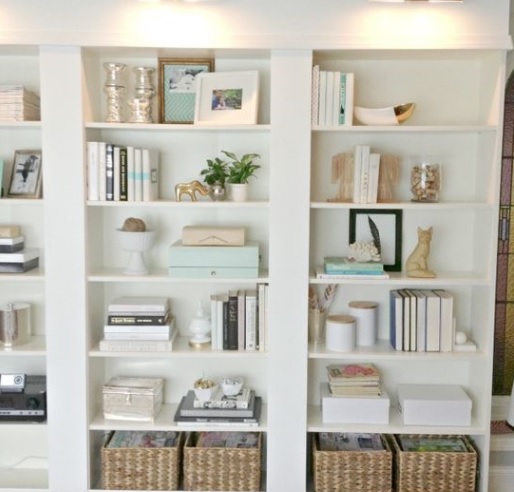
Declutter your books
Declutter your books in 5 easy steps.
When your books start to build up and create clutter on your bookshelves, bedside table or book shelves its time to declutter. So here’s 5 steps to help make the process of decluttering your books easier.
Set time aside to declutter your books.
You need to set designated time aside if you want to declutter any space. If you don’t have an hour, then just allocate 10 or 15 minutes and don’t stop till the time is up. Just remember though, once you have culled and decluttered your book shelve, bundle the books up ready to be dropped off (also set a date by which they must be dropped off). If you only have 10 or 15 minutes for a declutter session, then also make sure you set yourself a goal as to when you want to have the entire book shelve decluttered.
One shelf at a time.
Like any declutter project you need to start small. So in this instance when you are decluttering your book shelf, start decluttering one shelve at a time. Work from the top down. And if they are spilling out onto the floor, then that is the best place to start your declutter.
Will you really read it again?
I know myself, I had a heap of books that I was never going to read again. So I decided it was time to clear the clutter and let go. With any decluttering that you do, maximum impact is made when you can let go of more items. Plus, it is so much easier to organise and style a book shelve that is not jam packed with books. So keep that in mind with you when you start your declutter.
Why are you keeping those books anyway?
I realised that I was keeping a heap of my old university books. Why? I think it was because of all the memories that they brought back. But the reality was, I was never going to use my Macro Economics book again (I hated the subject then and my opinion has not changed), so why was a keeping it, so they had to go. Declutter and be gone!
Declutter your books and donate.
Feel good about decluttering your books by donating them to someone who can use them. I recently did a declutter for a client and we donated books that were in very good condition to her local library. The library then sold the books and used the money to buy more books.
Other places to donate books to include:
http://www.brotherhoodbooks.org.au/donate/
https://www.footpathlibrary.org/contact-us/ they have branches in Melbourne, Sydney, Brisbane and Perth.
The Lifestylers Group provides decluttering assistance in Melbourne, Sydney, Brisbane and Perth. For assistance with any declutter project (the kitchen, bedroom, office, wardrobes, garage) contact us.
Image credit: http://bliss-athome.com/about/
by Natalie Morey | Sep 22, 2016 | Declutter tips, Home Office, Home Organisation, Tips
Don’t make these 4 mistakes when decluttering. If you keep motivated and inspired you will achieve great results. Make sure you have a plan and keep focused on the job at hand. Their is nothing more rewarding than standing back and admiring your work, once the job is done. I often find myself going back to a cupboard that I have organised, opening the doors and having a quick peek in to see my decluttering effort.
1. You don’t think there is a problem
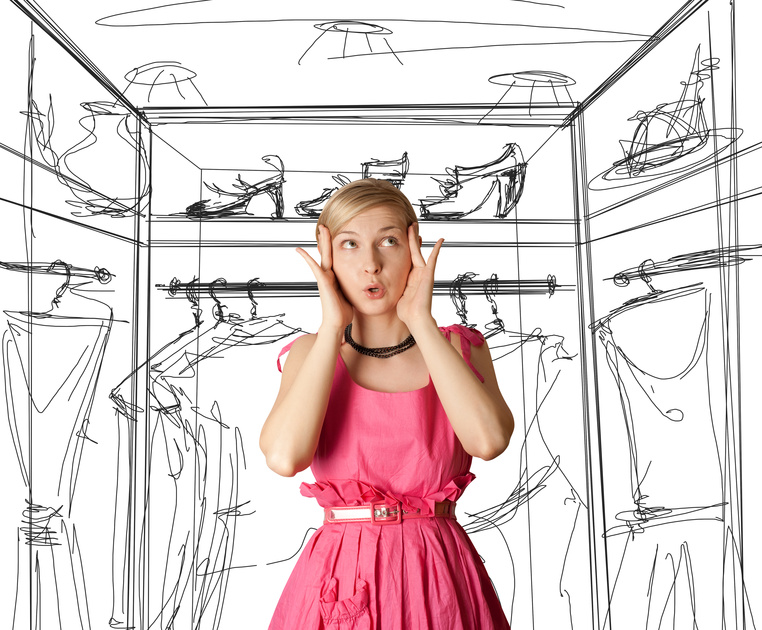
Time to declutter and organise your wardrobe
You have become so use to living in a mess that it has become normal. It doesn’t worry you anymore that the dining room table is full of papers and stuff. You cannot see the office floor because of all the paperwork lying around but that is fine because you have just become accustom to it. You get frustrated when you go to get dressed for work because you cannot find anything, but that’s just normal now because it happens every morning.
2. You procrastinate
It’s easy to get overwhelmed by the job at hand and just not do anything because you don’t know where to start. If you are struggling then perhaps book the services of a declutter expert to help you. It’s amazing how motivated you become once you know someone is coming to your house to go through your wardrobe!!
3. You don’t have a plan
To do list
You need a vision if you are going to get anywhere. Often clients stand at the door to the room and because they don’t know where to start, they simply close the door again.
It’s easy to get overwhelmed so having a plan or a vision is essential. I always ask clients how they visualize the room once it has been decluttered. It helps them to get inspired and motivated about the declutter process plus they have a goal to work towards.
I also recommend decluttering one shelve at a time. Start small, work through that area then start on the next one. Use these 4 categories as a guide to help you group declutter and group items.
- Keep
- Cull (throw)
- Donate
- Repair.
4. You lose motivation
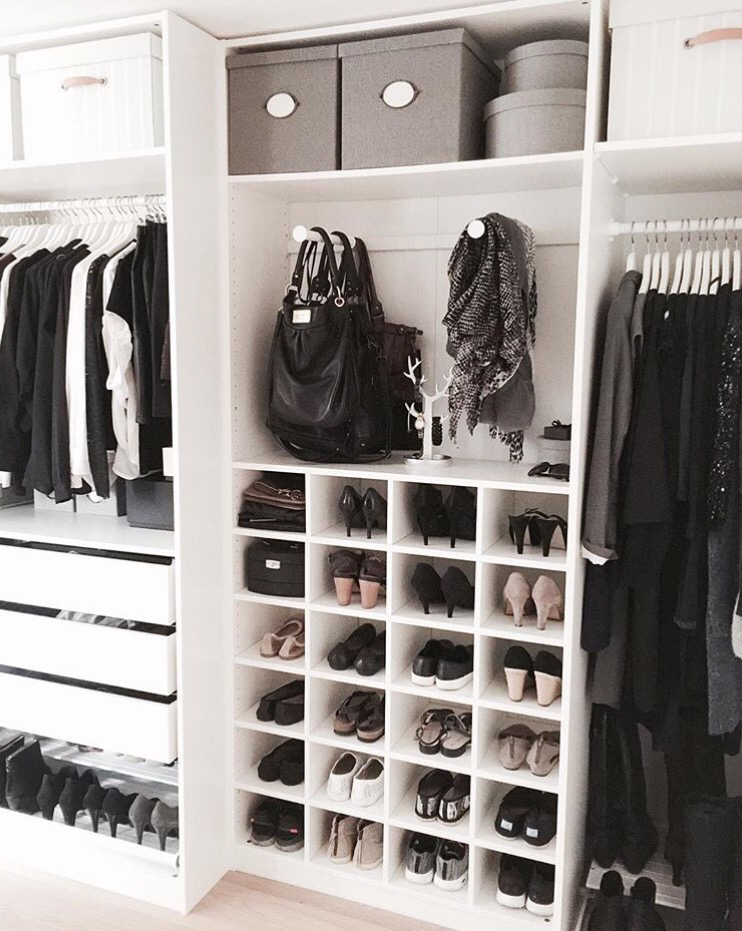
Declutter and get organised
It’s easy to lose motivation especially if you cannot see much of an impact in the room you have been working in.
Decluttering can be a big job especially if you have a room full of stuff. If you are decluttering an office it can be much harder than decluttering a wardrobe because you physically have to inspect each piece of paper in case it relates to tax. Where as you can make a big impact in a wardrobe in a small amount of time by simply throwing out a couple of big, bulky items. Therefore, it’s important to remind yourself that your mess that may have been building up over a number of months or years, is not going to disappear in a matter of minutes. It might take a couple of hours or even a couple of days to see a difference.
It might also be a good idea to get a declutter expert to help you. They make you accountable and they can give you work to do in-between visits. We often give our clients “homework “to do before we come back and see them again. It helps our clients stay motivated because they have a deadline to work towards.
The Lifestylers Group can work with you to declutter and organise any part of your house: the kitchen, pantry, home office, bedrooms or garage.